Contents
Overview
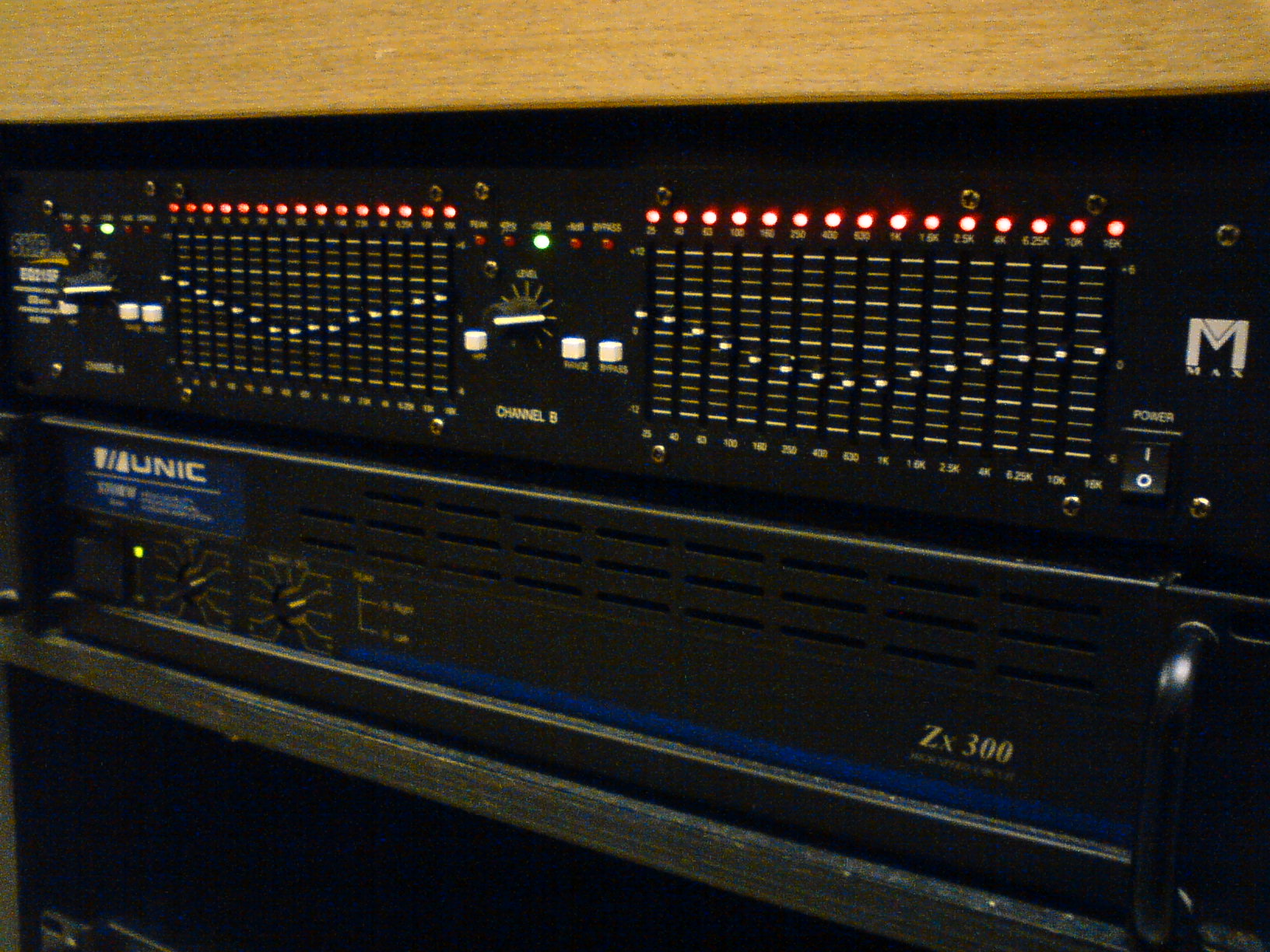
A graphic equalizer is a type of audio equalization equipment that allows users to adjust the volume of different frequency bands within an audio signal. With its flexibility in tailoring the frequency content, graphic equalizers have become a staple in recording and broadcast studios, live sound reinforcement, and even home audio systems. By providing a visual representation of the frequency spectrum, graphic equalizers enable users to make precise adjustments, eliminating unwanted sounds and enhancing desired frequencies. The graphic equalizer is an essential tool for any audio engineer, allowing for precise control over the frequency spectrum and enabling the creation of high-quality audio.
🎵 Origins & History
The concept of equalization dates back to the early days of sound recording. The graphic equalizer is a powerful tool that allows for precise control over the frequency spectrum. As Bob Katz, a renowned audio engineer, notes, 'The graphic equalizer is an essential tool for any audio engineer, allowing for precise control over the frequency spectrum and enabling the creation of high-quality audio.'
⚙️ How It Works
A graphic equalizer typically consists of a series of sliders or knobs that correspond to specific frequency bands. By adjusting these sliders, users can boost or cut specific frequencies, allowing for a high degree of control over the audio signal. For example, a graphic equalizer can be used to reduce the low-end rumble in a recording, or to enhance the high-end clarity of a vocal performance. The graphic equalizer is a powerful tool that allows audio engineers to shape the sound of a mix and create a balanced and polished final product.
📊 Key Facts & Numbers
Some key facts and numbers about graphic equalizers include: the most common type of graphic equalizer is the 31-band graphic equalizer, which covers a frequency range of 20 Hz to 20 kHz. The graphic equalizer is an essential tool for any audio engineer, and understanding how to use it is essential for creating high-quality audio.
👥 Key People & Organizations
Key people and organizations involved in the development and use of graphic equalizers include Neve Electronics, API Audio, and Yamaha Corporation. These companies have played a significant role in shaping the sound of modern music and have contributed to the advancement of audio technology. As Neil Young, a renowned musician, notes, 'The graphic equalizer is an essential tool for any musician, allowing for precise control over the sound and enabling the creation of high-quality music.'
🌍 Cultural Impact & Influence
The cultural impact of graphic equalizers cannot be overstated. They have played a significant role in shaping the sound of modern music, from the early days of rock and roll to the present day. Graphic equalizers have been used by countless musicians and audio engineers, including The Beatles, Pink Floyd, and Queen. As Brian May, the lead guitarist of Queen, notes, 'The graphic equalizer is a powerful tool that allows us to shape the sound of our music and create a unique and distinctive sound.'
⚡ Current State & Latest Developments
The current state of graphic equalizers is one of continued innovation and advancement. With the advent of digital technology, graphic equalizers have become more sophisticated and powerful, with many modern units offering advanced features such as digital signal processing and wireless connectivity. As Avid Technology notes, 'The future of graphic equalizers is exciting, with new technologies and innovations emerging all the time.'
🤔 Controversies & Debates
Despite their widespread use, graphic equalizers are not without controversy. Some audio engineers argue that they can be overused, leading to an unnatural or overly processed sound. Others argue that they are essential tools that allow for precise control over the audio signal. As Alan Parsons, a renowned audio engineer, notes, 'The graphic equalizer is a powerful tool that can be used to create a wide range of sounds, from natural and subtle to extreme and dramatic.'
🔮 Future Outlook & Predictions
Looking to the future, it is clear that graphic equalizers will continue to play a significant role in the world of audio. With the continued advancement of digital technology, we can expect to see even more sophisticated and powerful graphic equalizers in the years to come. As Steinberg Media Technologies notes, 'The future of graphic equalizers is bright, with new technologies and innovations emerging all the time.'
💡 Practical Applications
In terms of practical applications, graphic equalizers are used in a wide range of situations, from live sound reinforcement to recording studios. They are also used in home audio systems, allowing users to adjust the sound to their liking. As Sennheiser notes, 'The graphic equalizer is an essential tool for any audio engineer, allowing for precise control over the sound and enabling the creation of high-quality audio.'
Section 11
The graphic equalizer is a powerful tool that allows audio engineers to shape the sound of a mix and create a balanced and polished final product. With its flexibility in tailoring the frequency content, graphic equalizers have become a staple in recording and broadcast studios, live sound reinforcement, and even home audio systems.
Key Facts
- Category
- equipment
- Type
- topic