
Contents
Overview
Live sound equalization is the process of adjusting audio frequencies in real-time to achieve optimal sound quality. It involves using equalizers to boost or cut specific frequency bands, ensuring that the sound is balanced, clear, and engaging for the audience. With the help of experienced sound engineers and advanced equipment, live sound equalization has become a crucial aspect of live music performances, theater productions, and public speeches. The history of live sound equalization is complex, and its development has been influenced by various factors. Today, live sound equalization is used in a wide range of applications, from small venues to large stadiums, and is considered an essential tool for sound engineers and technicians.
🎵 Origins & History
Live sound equalization has its roots in the early days of audio engineering. The development of equalizers has been a gradual process, with various innovations and improvements over the years. One of the key aspects of live sound equalization is the use of equalizers to adjust the frequency content of an audio signal. Equalizers can be used to boost or cut specific frequency bands, allowing sound engineers to tailor the sound to the specific needs of the performance.
⚙️ How It Works
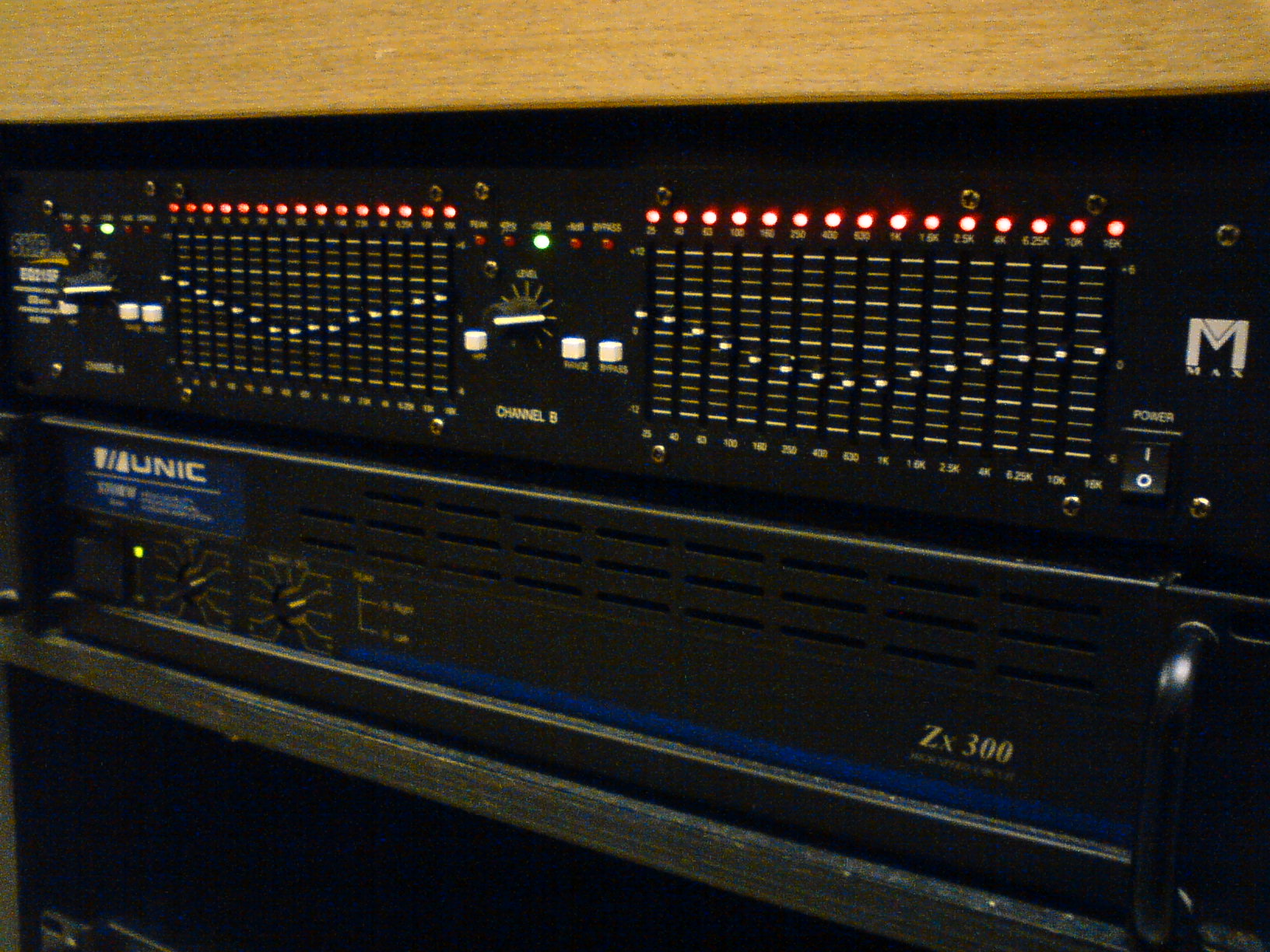
Live sound equalization involves the use of equalizers to adjust the frequency content of an audio signal. Equalizers can be used to boost or cut specific frequency bands, allowing sound engineers to tailor the sound to the specific needs of the performance. There are several types of equalizers used in live sound equalization, including graphic equalizers, parametric equalizers, and digital equalizers. Each type of equalizer has its own unique characteristics and applications, and sound engineers must choose the right equalizer for the job.
📊 Key Facts & Numbers
Some key facts and numbers about live sound equalization include: the most popular type of equalizer used in live sound equalization is the graphic equalizer. The use of live sound equalization is a complex process, and its effectiveness can depend on various factors, including the type of equalizer used, the skill of the sound engineer, and the specific requirements of the performance.
👥 Key People & Organizations
Key people and organizations involved in live sound equalization include sound engineers and technicians who work with equalizers and other audio equipment. The development of live sound equalization has been influenced by various factors, including advances in technology and changes in the music industry.
🌍 Cultural Impact & Influence
Live sound equalization has had a significant impact on the music industry, and its use has become widespread in live music performances, theater productions, and public speeches. The use of live sound equalization can help to create a more balanced and engaging sound, and can also help to reduce the risk of hearing damage.
⚡ Current State & Latest Developments
The current state of live sound equalization is one of continued innovation and evolution. New technologies and equipment are being developed all the time, and sound engineers are continually pushing the boundaries of what is possible.
🤔 Controversies & Debates
Despite the many benefits of live sound equalization, there are also some controversies and debates surrounding its use. One of the main controversies is the issue of over-equalization, where sound engineers make too many adjustments to the audio signal and end up with a sound that is unnatural and unbalanced.
🔮 Future Outlook & Predictions
The future outlook for live sound equalization is one of continued innovation and evolution. As new technologies and equipment are developed, sound engineers will have even more tools at their disposal to create the perfect sound.
💡 Practical Applications
Live sound equalization has many practical applications in the real world. It is used in a wide range of live music performances, from small venues to large stadiums, and is also used in theater productions, public speeches, and other types of live events. Sound engineers use live sound equalization to create a more balanced and engaging sound, and to ensure that the audience can hear the performance clearly.
Key Facts
- Category
- equipment
- Type
- concept