Contents
- 🎵 Introduction to Graphic Equalizers
- ⚙️ How Graphic Equalizers Work
- 📊 Key Facts and Numbers
- 👥 Key People and Organizations
- 🌍 Cultural Impact and Influence
- ⚡ Current State and Latest Developments
- 🤔 Controversies and Debates
- 🔮 Future Outlook and Predictions
- 💡 Practical Applications
- 📚 Related Topics and Deeper Reading
- References
Overview
Graphic equalizers are tools used to adjust the frequency content of an audio signal. With a wide range of applications in music production, live sound reinforcement, and recording studios, graphic equalizers have become a component in the audio industry. By understanding how to use a graphic equalizer, audio engineers and music enthusiasts can enhance the sound quality of their recordings, live performances, and playback systems. The possibilities are endless. Whether you're a seasoned audio professional or an aspiring music producer, mastering the art of graphic equalization can take your sound to the next level.
🎵 Introduction to Graphic Equalizers
Introduction to Graphic Equalizers paragraph — Graphic equalizers are used to adjust the frequency content of an audio signal. They are used in many professional audio applications.
⚙️ How Graphic Equalizers Work
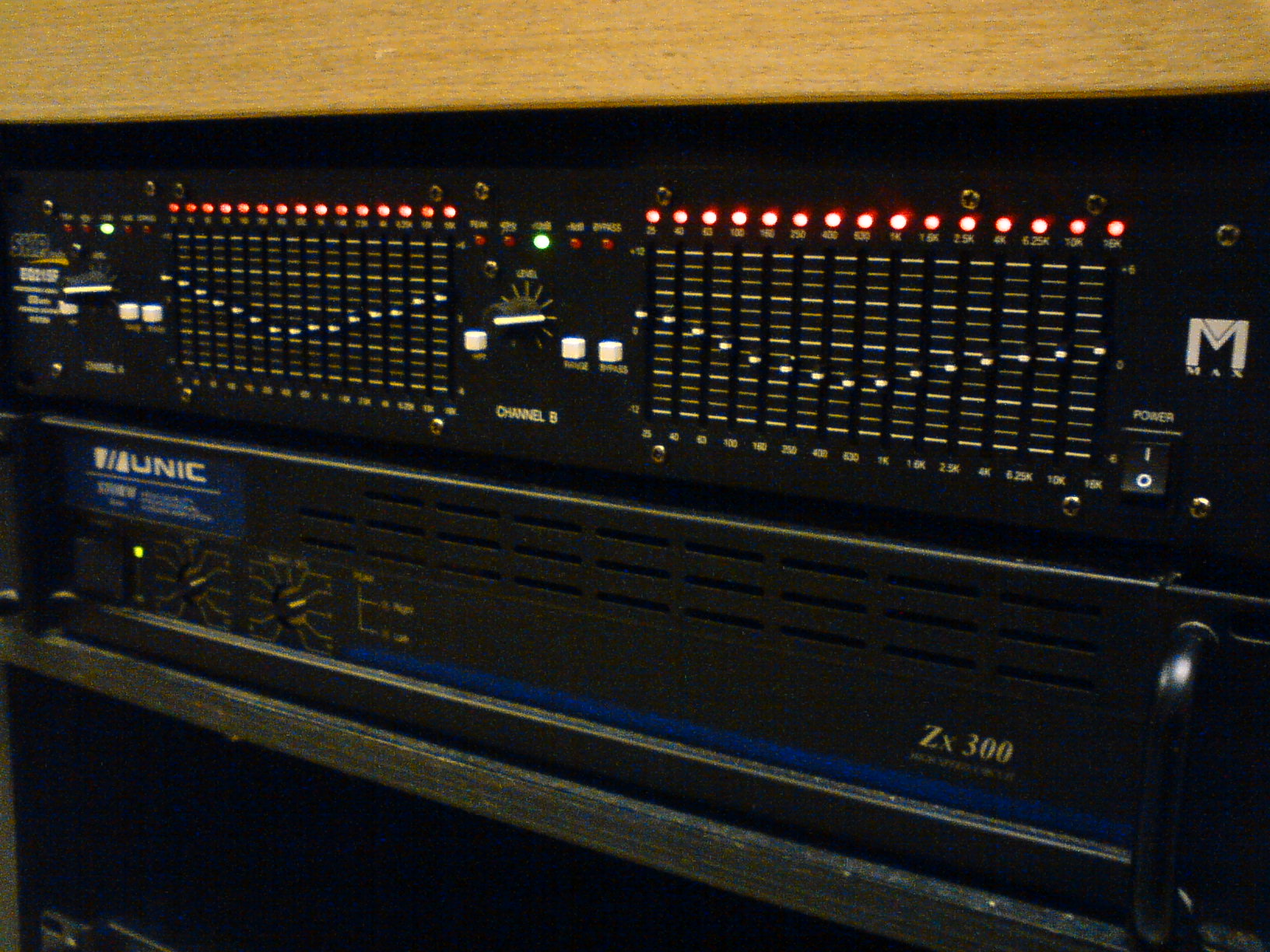
How Graphic Equalizers Work — A graphic equalizer typically consists of a series of filters, each controlling a specific frequency band. By adjusting the level of each filter, the user can boost or cut specific frequency ranges, allowing for control over the sound quality. The most common type of graphic equalizer is the parametric equalizer, which allows for adjustable frequency, gain, and bandwidth.
📊 Key Facts and Numbers
Key Facts and Numbers — The most common frequency ranges for graphic equalizers are 31 bands, 15 bands, and 10 bands. The 31-band equalizer is the most versatile.
👥 Key People and Organizations
Key People and Organizations — Many audio engineers and producers have made significant contributions to the development and use of graphic equalizers.
🌍 Cultural Impact and Influence
Cultural Impact and Influence — Graphic equalizers have been used in various audio applications.
⚡ Current State and Latest Developments
Current State and Latest Developments — Digital graphic equalizers are becoming increasingly popular. Artificial intelligence and machine learning are being used to develop new types of graphic equalizers.
🤔 Controversies and Debates
Controversies and Debates — There are controversies and debates surrounding the use of graphic equalizers, including the issue of over-equalization and the potential for audio engineers to over-correct the sound quality. Graphic equalizers can be used to mask poor recording techniques or equipment.
🔮 Future Outlook and Predictions
Future Outlook and Predictions — The future of graphic equalizers looks promising, with new technologies and innovations being developed.
💡 Practical Applications
Practical Applications — Graphic equalizers have a wide range of practical applications, from music production and live sound reinforcement to recording studios and post-production facilities. They can be used to correct unwanted resonances and enhance the sound quality of recordings.
Key Facts
- Category
- equipment
- Type
- topic