
Contents
Overview
Audio equalization techniques are a crucial aspect of sound engineering, allowing professionals to adjust the volume of different frequency bands within an audio signal. With a wide range of applications, from live sound reinforcement to post-production editing, equalizers have become an essential tool in the music industry. According to some sources, the use of equalizers has become a standard practice in the music industry. As technology continues to evolve, audio equalization techniques will play an even more crucial role in shaping the sound of the future, with the potential for automated equalization and sound shaping using artificial intelligence and machine learning.
🎵 Origins & History
The development of audio equalization techniques has been shaped by the contributions of various individuals and organizations. Today, equalizers are used in a wide range of applications, from live sound reinforcement to post-production editing. The process of equalization typically involves a combination of boost and cut adjustments, as well as the use of compressors and limiters to control dynamic range.
⚙️ How It Works
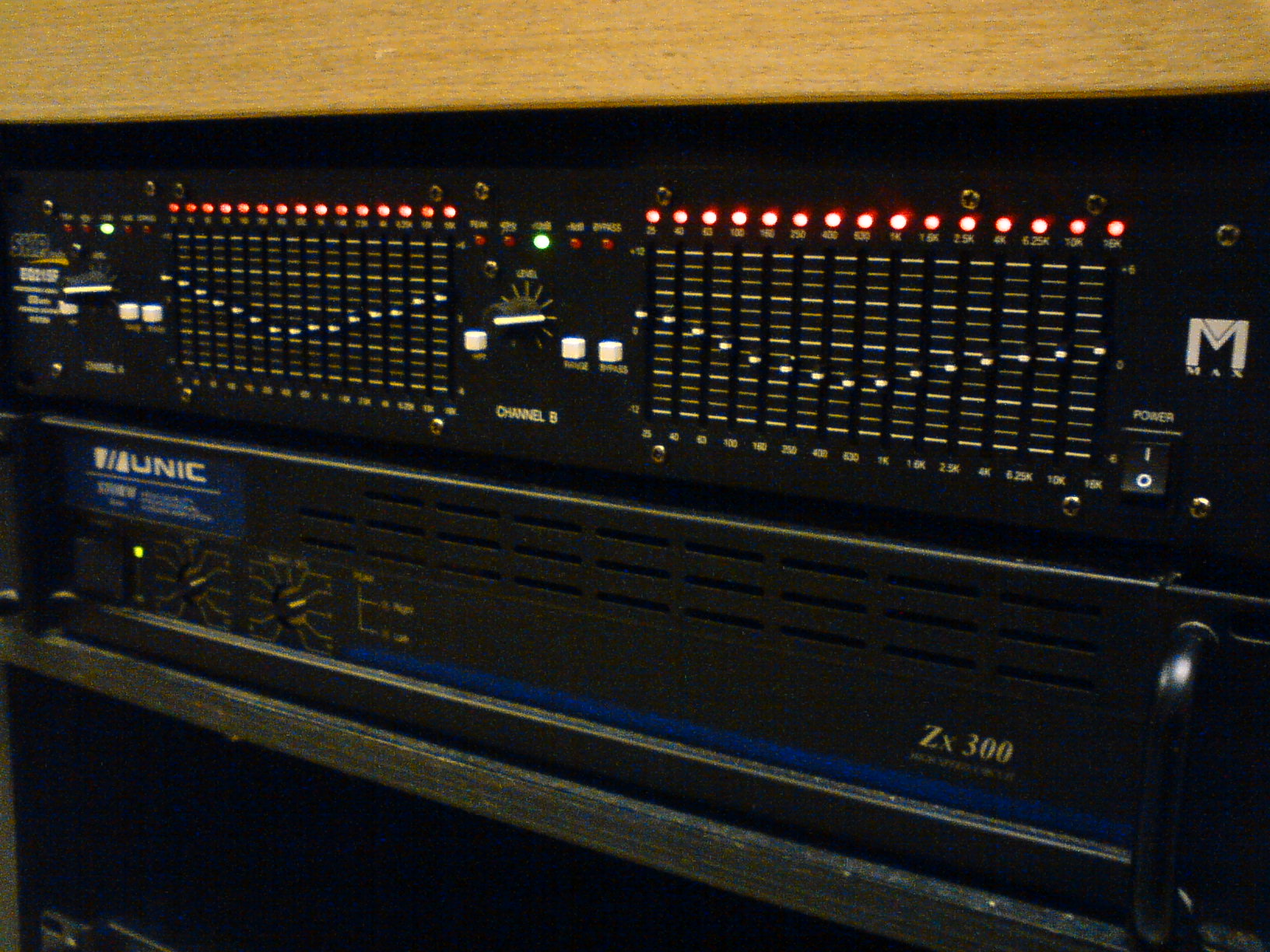
Audio equalization techniques involve adjusting the volume of different frequency bands within an audio signal using a variety of filters, including low-pass filters, high-pass filters, and band-pass filters. Parametric equalizers offer more flexibility and precision, allowing engineers to adjust the frequency, gain, and bandwidth of specific frequency bands. The key to effective equalization is to understand the frequency response of the audio signal and to make adjustments that enhance the overall sound quality.
📊 Key Facts & Numbers
The development of new equalizer designs has expanded the range of options available to engineers. The rise of immersive audio and object-based audio has created new challenges and opportunities for audio engineers, with equalizers playing a key role in shaping the sound of these new formats.
👥 Key People & Organizations
Key organizations in the field of audio equalization include the Audio Engineering Society, which provides resources and education for audio engineers, and the Music Producers Guild, which represents the interests of music producers and engineers. Other notable individuals and companies have also made significant contributions to the development of audio equalization techniques.
🌍 Cultural Impact & Influence
Audio equalization techniques have had a significant impact on the music industry, allowing engineers to create a wide range of sounds and styles. The influence of equalizers can be heard in a wide range of genres, from rock and pop to hip-hop and electronic music.
⚡ Current State & Latest Developments
The current state of audio equalization techniques is one of rapid evolution, with advances in digital technology and software plugins offering new possibilities for sound shaping and manipulation. The use of software plugins has become increasingly popular, with many engineers using them in conjunction with hardware equalizers.
🤔 Controversies & Debates
One of the main controversies surrounding audio equalization techniques is the debate over the use of digital versus analog equalizers. Some engineers argue that digital equalizers lack the warmth and character of analog equalizers, while others argue that digital equalizers offer greater precision and flexibility. Another controversy surrounds the use of loudness normalization, which some argue can result in a loss of dynamic range and a 'squashed' sound.
🔮 Future Outlook & Predictions
The future of audio equalization techniques is likely to be shaped by advances in digital technology and software plugins, as well as the increasing demand for immersive and object-based audio. The development of new equalizer designs will continue to expand the range of options available to engineers. Additionally, the rise of artificial intelligence and machine learning is likely to have a significant impact on the field of audio equalization, with the potential for automated equalization and sound shaping.
💡 Practical Applications
Audio equalization techniques have a wide range of practical applications, from live sound reinforcement to post-production editing. The use of equalizers can help to improve the sound quality of audio signals, reduce noise and distortion, and create a more polished and professional sound.
Key Facts
- Category
- equipment
- Type
- topic